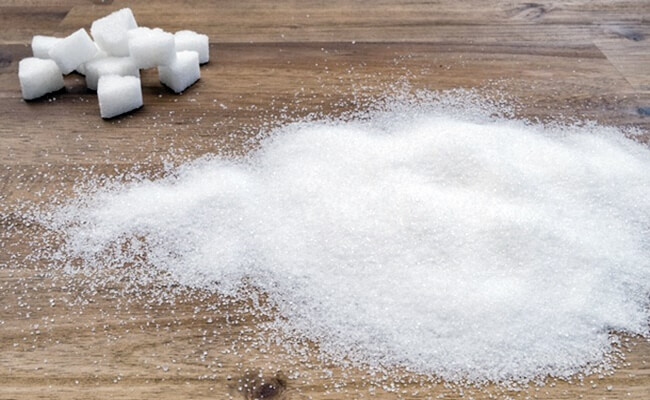
國際期刊《Molecules》於9月25日刊登以色列內蓋夫本-古里安大學(Ben-Gurion University of the Negev, BGU)與新加坡南洋理工大學研究團隊發表的1篇研究,針對六項FDA批准的人造甜味劑進行食鹽,包刮阿斯巴甜(aspartame)、三氯蔗糖(sucralose,蔗糖素)、人工甘料糖精(Saccharin)、紐甜(Neotame)、甜味劑(advantame)、醋磺內酯鉀(acesulfame-K)等常見於各種飲料與食物的代糖,研究結果發現,阿斯巴甜、三氯蔗糖以及紐甜對大腸桿菌有抑制或誘導作用,也就是對人體會產生毒性作用。
研究人員利用遺傳測試的方法,將大腸桿菌進行基因改良,產出生物發光細菌,再進行實驗。生物發光細菌在檢測到有毒物質時就會發光,作為代表複雜微生物系統的感應媒介,可測量出發光訊號以及細菌的生長。研究團隊發現,當細菌暴露於某些濃度的人工代糖時,會產生毒性作用,且即使量很少,都有可能釋放出有毒物質的風險。
帶領研究團隊的庫許梅羅教授(Prof. Ariel Kushmaro)指出,攝取人工代糖會影響腸道的微生物活動,對人體健康造成廣泛的影響。
連結:Measuring Artificial Sweeteners Toxicity Using a Bioluminescent Bacterial Panel
Artificial sweeteners have become increasingly controversial due to their questionable influence on consumers’ health. They are introduced in most foods and many consume this added ingredient without their knowledge. Currently, there is still no consensus regarding the health consequences of artificial sweeteners intake as they have not been fully investigated. Consumption of artificial sweeteners has been linked with adverse effects such as cancer, weight gain, metabolic disorders, type-2 diabetes and alteration of gut microbiota activity. Moreover, artificial sweeteners have been identified as emerging environmental pollutants, and can be found in receiving waters, i.e., surface waters, groundwater aquifers and drinking waters. In this study, the relative toxicity of six FDA-approved artificial sweeteners (aspartame, sucralose, saccharine, neotame, advantame and acesulfame potassium-k (ace-k)) and that of ten sport supplements containing these artificial sweeteners, were tested using genetically modified bioluminescent bacteria from E. coli. The bioluminescent bacteria, which luminesce when they detect toxicants, act as a sensing model representative of the complex microbial system. Both induced luminescent signals and bacterial growth were measured. Toxic effects were found when the bacteria were exposed to certain concentrations of the artificial sweeteners. In the bioluminescence activity assay, two toxicity response patterns were observed, namely, the induction and inhibition of the bioluminescent signal. An inhibition response pattern may be observed in the response of sucralose in all the tested strains: TV1061 (MLIC = 1 mg/mL), DPD2544 (MLIC = 50 mg/mL) and DPD2794 (MLIC = 100 mg/mL). It is also observed in neotame in the DPD2544 (MLIC = 2 mg/mL) strain. On the other hand, the induction response pattern may be observed in its response in saccharin in TV1061 (MLIndC = 5 mg/mL) and DPD2794 (MLIndC = 5 mg/mL) strains, aspartame in DPD2794 (MLIndC = 4 mg/mL) strain, and ace-k in DPD2794 (MLIndC = 10 mg/mL) strain. The results of this study may help in understanding the relative toxicity of artificial sweeteners on E. coli, a sensing model representative of the gut bacteria. Furthermore, the tested bioluminescent bacterial panel can potentially be used for detecting artificial sweeteners in the environment, using a specific mode-of-action pattern.
小編評:第一次聽到甜味劑會影響腸道菌相,真是太有趣了~