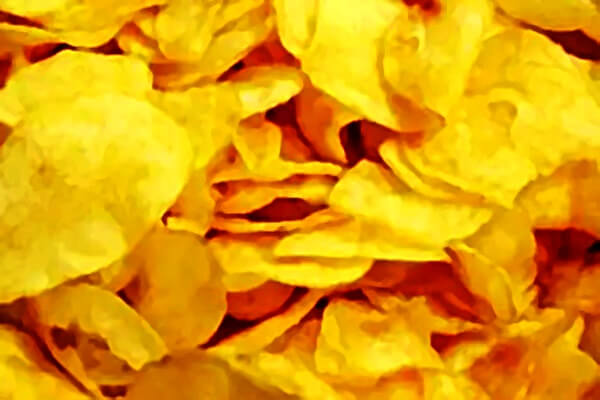
日本知名零食公司Calbee在官網宣布,今年3月20日將推出期間限定版的香菜洋芋片,厭惡香菜的台灣網友得知消息後說「好恐怖」、「想到就覺得噁心」,甚至有人直呼這是「地獄來的食物」。
香菜又稱芫荽,它是許多台灣小吃不可或缺的配角,無論是蚵仔麵線、肉羹麵還是豬血糕,常常都會搭上香菜,但香菜獨特的味道卻也讓不少人避之唯恐不及。
2012年Nicholas Eriksson主導的研究曾發現,一個人討不討厭香菜跟基因有關。這是因為大部分不喜歡香菜的人具有一種嗅覺感官基因「OR6A2」,能敏銳察覺化學物質乙醛,而香菜和肥皂都含有這種物質,所以他們常會覺得香菜吃起來有肥皂味。
小編評:本來覺得是偏單純的搞笑新聞,仔細閱讀裡面卻蘊含了很多知識,原來討厭香菜跟嗅覺感官基因「OR6A2」有關,帶有這組基因的人可以敏銳察覺化學物質乙醛,所以會覺得香菜有肥皂味!下面附上影片說明給大家參考唷。
—
連結:2017年3月20日(月)よりコンビニエンスストア限定発売!(Calbee官網)
カルビー株式会社は、独特な香りと味わいがクセになる『ポテトチップス パクチー味』を2017年3月20日(月)からコンビニエンスストア限定で発売します。
小編評:找到日本Calbee官網的產品介紹啦。
—
連結:Soapy taste of coriander linked to genetic variants
連結:A genetic variant near olfactory receptor genes influences cilantro preference(相關論文)
The leaves of the Coriandrum sativum plant, known as cilantro or coriander, are widely used in many cuisines around the world. However, far from being a benign culinary herb, cilantro can be polarizing—many people love it while others claim that it tastes or smells foul, often like soap or dirt. This soapy or pungent aroma is largely attributed to several aldehydes present in cilantro. Cilantro preference is suspected to have a genetic component, yet to date nothing is known about specific mechanisms.
小編評:小編找到相關論文了,這一切真是太有趣了。