連結:AI就能測試化妝品,能讓「白老鼠」永遠走出實驗室了嗎?(數位時代)
連結:上億隻“小白鼠”有救了,AI可檢測化學物質甚至還更準確
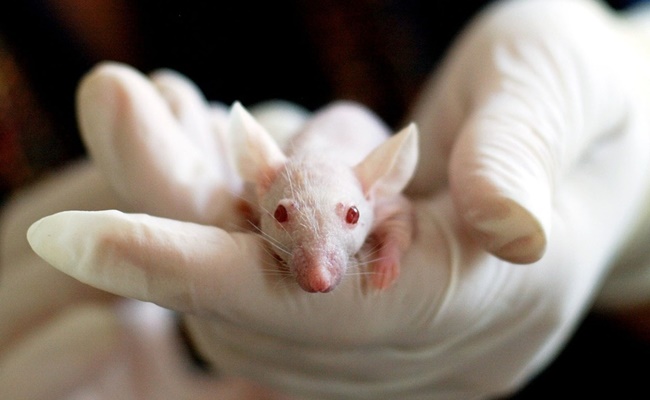
科學家不能恣意預測藥物的性能及反應,動物實驗室就成為現代藥品開發重要的基礎,在動物上取得的實驗數據,也為後期進入人體測試階段提供極大的安全性。不過動物實驗具有極高的重複性,以化妝品毒性測試來說,因為不確定毒性效果,必須重複的在動物身上給藥,往往讓動物承受極大痛苦,且實驗過程充滿未知,經常造成大量動物意外死亡。
研究團隊從2014年開始累積數據,總共蒐集1萬種化學合成物,透過AI針對這些物質進行86萬次的測試,最終得出分子結構與毒性類型之間的關係,可以知道該物質對於DNA、皮膚會造成什麼影響。最終結果顯示,AI測試得到的毒性準確率為87%,動物測試的準確率則為81%,可以說在某些情況下,AI的準確度已經與動物實驗好上許多。
連結:AI tool could save on animal tests
A machine-learning tool has outmuscled standard animal tests in predicting a chemical’s toxicity. Scientists in the US mined a large database of chemicals to build links between chemical structures and toxic properties. They then showed its worth: by predicting the toxicity of unknown compounds.
‘Artificial intelligence based on the big data set of toxicants is actually better than the animals at identifying toxic substances,’ Thomas Hartung of Johns Hopkins University told the Euroscience Open Forum (ESOF) in France, last week.
小編評:這篇文章提到的期刊一併附上,大家可以看看原文資料喔!不過…這些人工智能學習技術其實是做過去數據的判讀,應該還是無法避免動物實驗的需求,此外…公開數據是經過多少美化,只要做過實驗的人都知道,如果這些人工智能工具只判讀公開資料,我真的認為很不靠普阿…