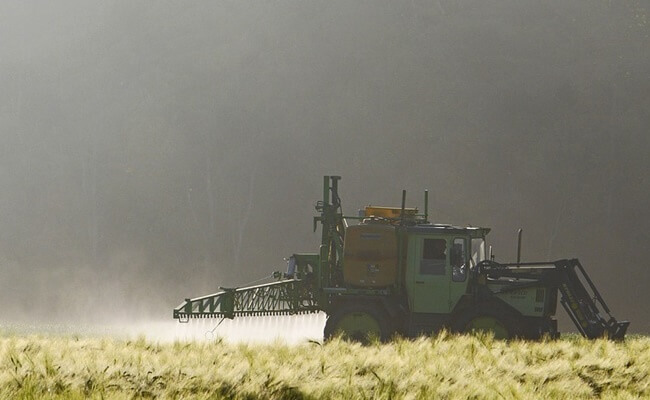
由全球活動社群AVAZZ發起的拯救蜜峰的全球連署從4月25日開始至今已進入最後倒數中。不過連署尚未結束,該活動此獲得巨大的勝利。歐盟會員國於上月27日表決通過禁用類尼古丁農藥,預計2018年底生效。未來AVAZZ將繼續對美國、加拿大及其他世界各國施壓,目標為將禁用類尼古丁農藥(Neonicotinoids)之禁令推行至全世界。
據悉,該連署至今已超過500萬人連署,而該活動社群更是寄了2千多封信件給各國行政官員請命,終於達到了初步的成果。歐盟會員國在4月27日表決通過禁用類尼古丁農藥(又稱新菸鹼類農藥)。今年年底,全歐洲田野可望禁用三大類尼古丁農藥,即益達胺、賽速安與可尼丁,農業上唯一可用的是密閉式溫室。
包括德法英義等15個國家投下贊成票,反對的國家有丹麥、捷克、匈牙利與羅馬尼亞四國,棄權的有波蘭、保加利亞與比利時等八國。
蜂和其他昆蟲對全球糧食生產至關重要,因為牠們幫全世界3/4的作物授粉。近年來授粉昆蟲數量減少,部分歸咎於農藥的廣泛使用。歐盟遂於2013年禁止在誘蜂的花卉作物上使用新菸鹼類殺蟲劑,如油菜籽。
連結:EU agrees total ban on bee-harming pesticides
連結:EU member states support near-total neonicotinoids ban
The European Union will ban the world’s most widely used insecticides from all fields due to the serious danger they pose to bees.
The ban on neonicotinoids, approved by member nations on Friday, is expected to come into force by the end of 2018 and will mean they can only be used in closed greenhouses.
Bees and other insects are vital for global food production as they pollinate three-quarters of all crops. The plummeting numbers of pollinators in recent years has been blamed, in part, on the widespread use of pesticides. The EU banned the use of neonicotinoids on flowering crops that attract bees, such as oil seed rape, in 2013.
But in February, a major report from the European Union’s scientific risk assessors (Efsa) concluded that the high risk to both honeybees and wild bees resulted from any outdoor use, because the pesticides contaminate soil and water. This leads to the pesticides appearing in wildflowers or succeeding crops. A recent study of honey samples revealed global contamination by neonicotinoids.
小編評:關於歐盟對於類尼古丁農藥對蜜蜂的傷害報告如下:Neonicotinoids: risks to bees confirmed,大家可以看看喔。