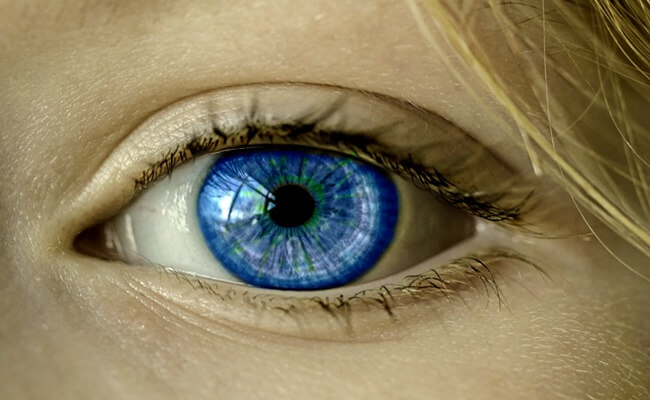
美國FDA宣布批准首款人工虹膜上市,未來可用於治療先天或後天虹膜損傷的成人、兒童患者身上,有效改善其的視力狀況和眼部美觀。
虹膜含有色素和肌肉,中心點有一圓型開口,成為瞳孔,瞳孔遇到不同的光線強弱會變大和縮小,以便控制進入眼內的光線。
導致虹膜損傷的原因分為先天性和後天疾病、意外造成。先天性虹膜缺損(aniridia)是一種罕見疾病,在美國約5萬到10萬人中就有1 名患者,患者沒有特定的種族或性別;無論是先天性或後天性的創傷意外、手術切除、虹膜黑色素瘤或白化症等患者都可藉由植入此款人工虹膜(Custom Flex Artificial Iris)來降低對亮光的敏感度、眩光情形和改善眼部美觀。
CustomFlex 人工虹膜是由極柔軟且可彎曲的醫療級矽膠製成,可為患者客製尺寸和顏色,手術方法也極為方便,醫師僅需切開一個切口,將人工虹膜植入切口下方,並將其展開和攤平固定,少部分情形才需要透過縫合固定。
近400位成人和幼童患者的臨床實驗中,約70%的患者表示有效降低了光的敏感度和眩光情形,除此之外,也改善了生活品質和眼部美觀。
不過此款人工虹膜不適用於嚴重慢性發炎、染德國麻疹造成的白內障、虹膜上有異常血管增生、視網膜血管受損和眼部感染的患者,以及孕婦。
連結:FDA approves first artificial iris(FDA公告)
The CustomFlex Artificial Iris is made of thin, foldable medical-grade silicone and is custom-sized and colored for each individual patient. A surgeon makes a small incision, inserts the device under the incision, unfolds it and smooths out the edges using surgical instruments. The prosthetic iris is held in place by the anatomical structures of the eye or, if needed, by sutures.
The safety and effectiveness of the CustomFlex Artificial Iris was demonstrated primarily in a non-randomized clinical trial of 389 adult and pediatric patients with aniridia or other iris defects. The study measured patients’ self-reported decrease in severe sensitivity to light and glare post-procedure, health-related quality of life, and satisfaction with the cosmetic improvement or appearance of the prosthesis. More than 70 percent of patients reported significant decreases in light sensitivity and glare as well as an improvement in health-related quality of life following the procedure. In addition, 94 percent of patients were satisfied with the artificial iris’ appearance.
The study found low rates of adverse events associated with the device or the surgical procedure. In the study, complications associated with the use of the CustomFlex Artificial Iris device included: device movement or dislocation, strands of device fiber in the eye, increased intraocular pressure, inflammation of the iris (iritis), adhesion of the iris to the cornea or lens (synechiae) and the need for secondary surgery to reposition, remove or replace the device. Complications associated with the surgical procedure included: increased intraocular pressure, blood leakage in the eye, swelling of the center of the retina (cystoid macular edema), secondary surgery, corneal swelling, iritis, and retinal detachment.
The CustomFlex Artificial Iris is contraindicated, or should not be used, in eyes with any of the following conditions: uncontrolled or severe chronic inflammation (uveitis), abnormally small eye size (microphthalmus), untreated retinal detachment, untreated chronic glaucoma, cataract caused by rubella virus, abnormal blood vessels on the iris (rubeosis), certain kinds of damaged blood vessels in the retina, and intraocular infections. It is also contraindicated for patients who are pregnant.
The CustomFlex Artificial Iris was approved through a premarket approval application (PMA), which is the most stringent type of device marketing application and generally required for high-risk devices. A PMA approval is primarily based on a determination by the FDA that the PMA contains sufficient valid scientific evidence that provides reasonable assurance that the device is safe and effective for its intended uses.
等等……看影片才發現我們的瞳孔只是一塊薄膜?!
我覺得超屌~