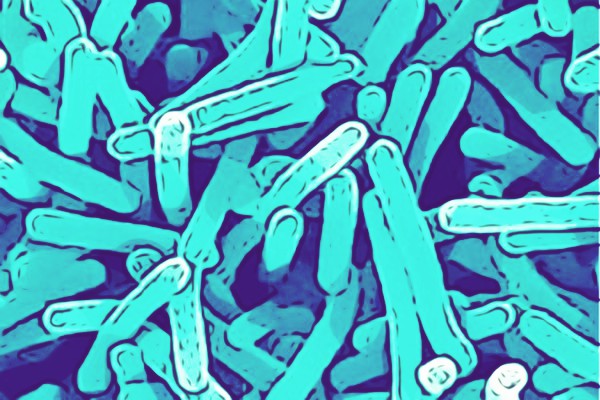
世界衛生組織(WHO)將12種「超級細菌」分類,其中最令人感到緊急的三種抗藥性細菌包括鮑式不動桿菌、綠膿桿菌和腸道菌,由於「超級細菌」出現抗藥性,感染科醫師坦言一旦感染將是無藥可醫的情況,不論是醫院、畜牧漁業或社區,超級細菌也很容易出現;民眾進食或服藥前,最好保持洗手習慣或使用酒精消毒清潔,避免感染風險。
「超級細菌」就是對多種抗生素有耐藥性與抗藥性的細菌,幾乎所有抗生素的治療都沒有效果。一旦超級細菌會侵入人體,引起侵襲性感染,例如肺炎死亡率很高,超級細菌引發危機在全球各地蔓延開來,鄰近香港超級細菌問題也相當嚴重,每18分鐘就有一名香港人感染超級細菌。
至於台灣超級細菌肆虐加護病房,根據統計,2006至2015年抗藥性細菌像是鮑氏不動桿菌、大腸桿菌、綠膿桿菌,感染普遍率上升,只有金黃色葡萄球菌下降,關鍵就在於病人感染細菌時遇到殺不死細菌機率將愈來愈高。
連結:WHO publishes list of bacteria for which new antibiotics are urgently needed(世界衛生組織公告)
WHO priority pathogens list for R&D of new antibiotics-
Priority 1: CRITICAL
- Acinetobacter baumannii, carbapenem-resistant
- Pseudomonas aeruginosa, carbapenem-resistant
- Enterobacteriaceae, carbapenem-resistant, ESBL-producing
Priority 2: HIGH
- Enterococcus faecium, vancomycin-resistant
- Staphylococcus aureus, methicillin-resistant, vancomycin-intermediate and resistant
- Helicobacter pylori, clarithromycin-resistant
- Campylobacter spp., fluoroquinolone-resistant
- Salmonellae, fluoroquinolone-resistant
- Neisseria gonorrhoeae, cephalosporin-resistant, fluoroquinolone-resistant
Priority 3: MEDIUM
- Streptococcus pneumoniae, penicillin-non-susceptible
- Haemophilus influenzae, ampicillin-resistant
- Shigella spp., fluoroquinolone-resistant
小編評:抗生素的濫用,最後還是報應回了人的身上…