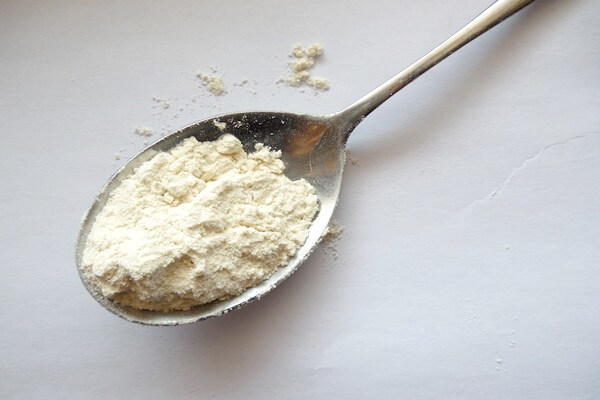
連結:研究称澳婴幼儿配方奶粉中可能含毒性纳米粒子
連結:Potentially dangerous nanoparticles found in Australian baby formula
澳洲新聞網報導,環境組織「Friends of the Earth」指出,7款嬰兒配方奶粉中,有3款含有極微小的羥磷灰石顆粒,僅有奈米大而已。被點名的有雀巢NAN H.A. Gold 1與Nature’s Way旗下 Kids Smart 1。該組織稱這種物質會導致老鼠體內肝與腎臟細胞死亡,嚴禁用在嬰兒配方奶粉內。
組織呼籲紐澳食品標準部門(FSANZ)立刻檢驗所有奶粉廠商,不過該部門表示,沒有任何證據指向這些產品對嬰兒健康有害;FSANZ還反駁了SCCS潛在毒性的結論,稱該研究是口腔護理相關的研究數據,並不足以成為判斷嬰幼兒奶粉配方的依據。
奈米羥基磷灰石,無論是針狀還是矩形都能在胃里分解。它的組成成分鈣和磷酸鹽都是對嬰兒有益的,可以添加到嬰兒奶粉配方中不存在安全隱患。雀巢發言人稱,針狀羥磷灰石奈米粒子或許是自然產生,並非人工添加。雀巢和綠之華母公司PharmaCAre均表示,並未在嬰幼兒配方奶粉中使用奈米技術或奈米粒子,產品的質量和生產程序沒有問題。
小編OS:搭配新聞原文看,澳洲政府經過風險評估後發現,可能有疑慮的羥磷灰石(Hydroxyapatite), 在酸性環境下(人體胃部)會溶解成鈣和磷,都是人體需要的礦物質;另一個說奈米顆粒其實自然就會形成(奈米等級的糖、胺基酸之類的),沒有證據顯示會有危害,所以不用太擔心啦的意思!
因為家裡有小朋友剛換雀巢能恩水解奶粉,打電話到官方客服去問,客服說沒有進那一款喔,我想這一兩天雀巢應該會出面回應吧!到時候再看看官方說法!
—
連結:Regulator urged to recall baby formula
Australia’s food regulator has downplayed calls for it to recall some brands of infant formula after they were found to contain potentially toxic nanoparticles.
But Food Standards Australia New Zealand (FSANZ) says there’s no new evidence to show that the formulas pose a risk to the health of babies and young children.
The FSANZ said hydroxyapatite is soluble in acidic environments including the stomach, so small amounts in food are likely to dissolve.
It also noted that foods are often made up of nanoscale sugars, amino acids and proteins which have been consumed by people without any evidence of adverse health effects.
“The presence of something, whether on the nanoscale or not, in a food that does not have a permission in the (Food Standards) Code does not mean a food is unsafe,” the regulator said.
連結:Nanoparticles and infant formula(紐澳食品標準局新聞稿說明)
A recent report commissioned by Friends of the Earth claimed that nanoscale particles were detected in some infant formula products available for sale in Australia and New Zealand.
FSANZ has reviewed the available information and concluded it does not contain any new evidence to suggest these products pose a risk to infant health and safety. This conclusion is supported by experts from our Scientific Nanotechnology Advisory Group. See also the expert reaction from the Australian Science Media Centre here.
Carers of infants should not be alarmed by this report or concerned about the safety of these products.
FSANZ notes that:
-
Hydroxyapatite is soluble in acidic environments such as the stomach, so small amounts in food are likely to dissolve to release calcium and phosphate. These are essential minerals that are required to be in infant formula products.
-
Calcite has low solubility in the gastrointestinal tract regardless of whether it is in nanoscale form or in larger particles. The small fraction that is absorbed is likely to be in the form of calcium.
-
Silicon dioxide has been used safely as a food additive in other foods in Australia, and internationally, for many years. See FSANZ’s previous response to media enquiries about titanium dioxide and silicon dioxide.
-
Nanoscale materials are not new. Food is naturally composed of nanoscale sugars, amino acids, peptides and proteins, many of which form organised, functional nanostructures. For example, proteins are in the nanoscale size range and milk contains an emulsion of nanoscale fat droplets. Humans, including infants, have consumed these particles in foods throughout evolution without evidence of adverse health effects related to the materials’ nanoscale size.
-
Nano-size particles may not be the result of intentional addition (e.g. as an additive), some are naturally occurring and others may be produced during processing.
-
The presence of something, whether on the nanoscale or not, in a food that does not have a permission in the Code does not mean a food is unsafe.
Safety/regulatory requirements for infant formula in Australia
All infant formula products sold in Australia and New Zealand must meet stringent requirements set out in the infant formula standard in the Food Standards Code. This is one of the most comprehensive standards in the Code and is enforced by national, state and territory authorities and the Ministry for Primary Industries in New Zealand.
If FSANZ were to become aware of any public health issues with specific nanomaterials, we would work with the state and territory enforcement agencies to develop appropriate risk management measures.
小編評:附上澳洲官方看法吧。