連結:食用漂白劑安全成疑
法國農業研究中心一項研究,將歐盟編號E171的二氧化鈦,加至老鼠的食用水中一百天。結果百分之四十的老鼠有癌變跡象,免疫系統亦受損。但實驗未有證明二氧化鈦會對人體造成損害。法國農業部已要求食品安全部門調查二氧化鈦是否對人體健康有影響。
E171為常用漂白劑,常見於食物、牙膏、糖果、防曬用品等商品。美國食品及藥物管理局於一九六六年,批准食物添加不多於其重量百分之一的二氧化鈦。但研究人員指,現時歐洲並無就二氧化鈦設下每日攝取上限。
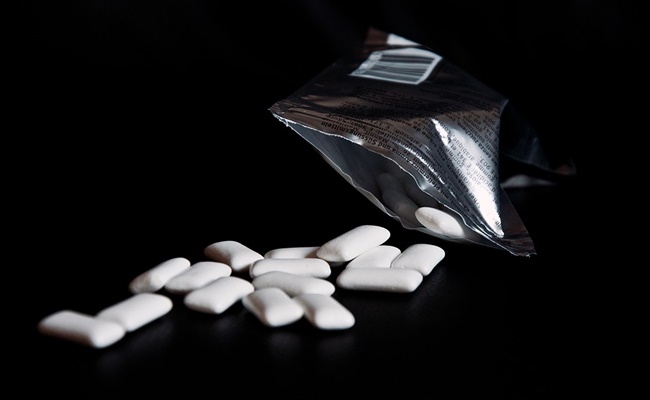
小編評:這款是食品和化妝品常用的添加物,在我國食品添加物著色劑中使用也行之有年了,小編現在嘴裡嚼的Airwave就有使用了…
Food-grade titanium dioxide (TiO2) containing a nanoscale particle fraction (TiO2-NPs) is approved as a white pigment (E171 in Europe) in common foodstuffs, including confectionary. There are growing concerns that daily oral TiO2-NP intake is associated with an increased risk of chronic intestinal inflammation and carcinogenesis. In rats orally exposed for one week to E171 at human relevant levels, titanium was detected in the immune cells of Peyer’s patches (PP) as observed with the TiO2-NP model NM-105. Dendritic cell frequency increased in PP regardless of the TiO2 treatment, while regulatory T cells involved in dampening inflammatory responses decreased with E171 only, an effect still observed after 100 days of treatment. In all TiO2-treated rats, stimulation of immune cells isolated from PP showed a decrease in Thelper (Th)-1 IFN-γ secretion, while splenic Th1/Th17 inflammatory responses sharply increased. E171 or NM-105 for one week did not initiate intestinal inflammation, while a 100-day E171 treatment promoted colon microinflammation and initiated preneoplastic lesions while also fostering the growth of aberrant crypt foci in a chemically induced carcinogenesis model. These data should be considered for risk assessments of the susceptibility to Th17-driven autoimmune diseases and to colorectal cancer in humans exposed to TiO2 from dietary sources.
小編評:上一篇新聞提到的研究,應該是這篇論文吧!
連結:Re-evaluation of titanium dioxide (E 171) as a food additiv(EFSA公告)
The present Opinion deals with the re-evaluation of the safety of titanium dioxide (TiO2, E 171) when used as a food additive. From the available data on absorption, distribution and excretion, the EFSA Panel on Food Additives and Nutrient Sources added to Food concluded that the absorption of orally administered TiO2 is extremely low and the low bioavailability of TiO2 appears to be independent of particle size. The Panel concluded that the use of TiO2 as a food additive does not raise a genotoxic concern. From a carcinogenicity study with TiO2 in mice and in rats, the Panel chose the lowest no observed adverse effects levels (NOAEL) which was 2,250 mg TiO2/kg body weight (bw) per day for males from the rat study, the highest dose tested in this species and sex. The Panel noted that possible adverse effects in the reproductive system were identified in some studies conducted with material which was either non-food-grade or inadequately characterised nanomaterial (i.e. not E 171). There were no such indications in the available, albeit limited, database on reproductive endpoints for the food additive (E 171). The Panel was unable to reach a definitive conclusion on this endpoint due to the lack of an extended 90-day study or a multigeneration or extended-one generation reproduction toxicity study with the food additive (E 171). Therefore, the Panel did not establish an acceptable daily intake (ADI). The Panel considered that, on the database currently available and the considerations on the absorption of TiO2, the margins of safety (MoS) calculated from the NOAEL of 2,250 mg TiO2/kg bw per day identified in the toxicological data available and exposure data obtained from the reported use/analytical levels of TiO2(E 171) would not be of concern. The Panel concluded that once definitive and reliable data on the reproductive toxicity of E 171 were available, the full dataset would enable the Panel to establish a health-based guidance value (ADI).
小編評:疑?歐盟食品安全局在去年就開始重新評估二氧化鈦(E171)的安全性了耶!
連結:歐盟重新評估食品級二氧化鈦(Titanium dioxide)做為食品添加物之安全性
由於食品級二氧化鈦其生殖毒性的證據仍不足,無法建立ADI值,因此後續仍需持續研究補足此方面的數據,以便釐清是否有生殖毒性的影響,並建立ADI值。目前,風險評估者可透過推求安全極限值(MoS)以確認當下的攝食情形是否有需要被關注。專家小組根據最低無觀察危害反應劑量(No observed adverse effects levels,NOAEL)為2,250毫克/公斤體重/天(數值來自一項實驗大鼠與小鼠致癌性研究,此劑量為餵食雄性大鼠的最高劑量)及民眾攝食曝露情形,推估各年齡層MoS值皆大於100,證明食品中的二氧化鈦對於消費者的健康並無風險上的疑慮。
小編評:國家環境毒物研究中心有專文討論,大家可以看中文版喔~